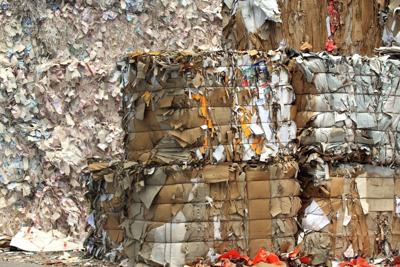


Photo provided by DepositPhotos
For decades, the recycling bin has been the feel-good symbol of environmental progress. Toss the paper in, feel a little virtuous, move on with your day. And for a while, the numbers backed up the optimism. Paper recycling rates climbed steadily through the early 2000s, and it seemed like the U.S. was well on its way to solving at least one slice of its waste problem.
But here's the thing: it stalled.
The Problem Nobody Wants to Talk About
According to the EPA's most recent Facts and Figures report on materials, waste, and recycling, paper and paperboard still represent one of the largest components of municipal solid waste in the United States. The country generates tens of millions of tons of paper waste annually, and while recycling rates for certain categories like corrugated cardboard have held relatively steady, other categories have plateaued or slipped backward.
People are also reading…
The American Forest & Paper Association tracks industry recovery rates, and their data tells a split story. Corrugated boxes and newspapers get recovered at high rates. But tissue products, paper towels, and sanitary paper? Those almost never make it into a recycling stream. They go straight to the landfill.
And that category is growing. Annual Integrated Economic Survey data shows that production volumes for tissue and sanitary paper products have continued to climb, driven by demand from offices, schools, healthcare facilities, and other institutional settings. More production, almost zero recovery. The math isn't complicated, and it isn't encouraging.
Why Offices and Institutions Are the Blind Spot
When people think about paper waste, they usually picture junk mail or Amazon boxes. But some of the most persistent waste comes from places that rarely get scrutinized: commercial restrooms, breakrooms, and custodial closets.
Research from The Recycling Partnership highlights that contamination rates in commercial recycling streams remain stubbornly high, and paper products used in restrooms are almost universally non-recyclable once soiled. That means every paper towel pulled from a dispenser in a corporate bathroom has a one-way ticket to the landfill.
The World Wildlife Fund has documented the broader environmental footprint of paper production, including its connections to deforestation and water use. When you pair rising production volumes with near-zero recovery rates for these product types, the environmental cost compounds quietly in the background.
So why hasn't this gotten more attention? Partly because it's not a glamorous problem. Nobody writes headlines about restroom paper towel waste. And partly because the recycling narrative has been so successful at giving people (and businesses) permission to stop thinking about it.
What Actually Moves the Needle
The fix isn't a single policy change or a new recycling technology. It's a shift in how businesses procure and consume paper products in the first place.
Three practical strategies stand out for facilities managers and procurement teams:
Buy in appropriate quantities: Over-ordering leads to waste before a product even gets used. Expired stock, damaged packaging from overstuffed storage rooms, and products that sit on shelves until they're thrown out during a cleanout are all common in commercial settings.
Choose controlled-dispensing products: Paper towel and toilet paper dispensers that limit how much product a user pulls per use can significantly reduce consumption without affecting the user experience.
Source from bulk suppliers to cut packaging waste: Ordering janitorial supplies like toilet paper and paper towels through bulk suppliers reduces the packaging and shipping footprint compared to frequent small orders from multiple vendors. Fewer shipments means fewer boxes, less filler material, and a smaller logistics footprint overall.
None of these steps require a sustainability task force or a six-figure consulting engagement. They require paying attention to a category most businesses treat as an afterthought.
The Bigger Picture
America's paper waste problem is a useful case study in how progress can create complacency. High recycling rates in visible categories like cardboard and newspaper created a narrative that the job was mostly done. Meanwhile, the fastest-growing paper product categories are the ones with the worst recovery rates.
That gap between perception and reality is where the real environmental cost lives. And until businesses start treating procurement decisions in restrooms and breakrooms with the same scrutiny they give to office paper recycling, the tonnage heading to landfills will keep climbing.
The data is clear. The question is whether anyone is paying attention.